How to Recognize the Signs of Drowning in a Swimming Pool
Why Drowning Often Goes Unnoticed
Many people imagine a drowning victim yelling for help, splashing wildly, or waving their arms above the water. In reality, drowning is often silent. Understanding the signs of drowning can help pool owners, parents, and swimmers recognize an emergency before it becomes fatal.
When a person struggles to breathe, the body focuses on getting air instead of calling for help. As a result, drowning victims are often unable to speak, yell, or attract attention. This is why active supervision around pools is so important.
Learning to identify the warning signs can help you respond quickly and potentially save a life.
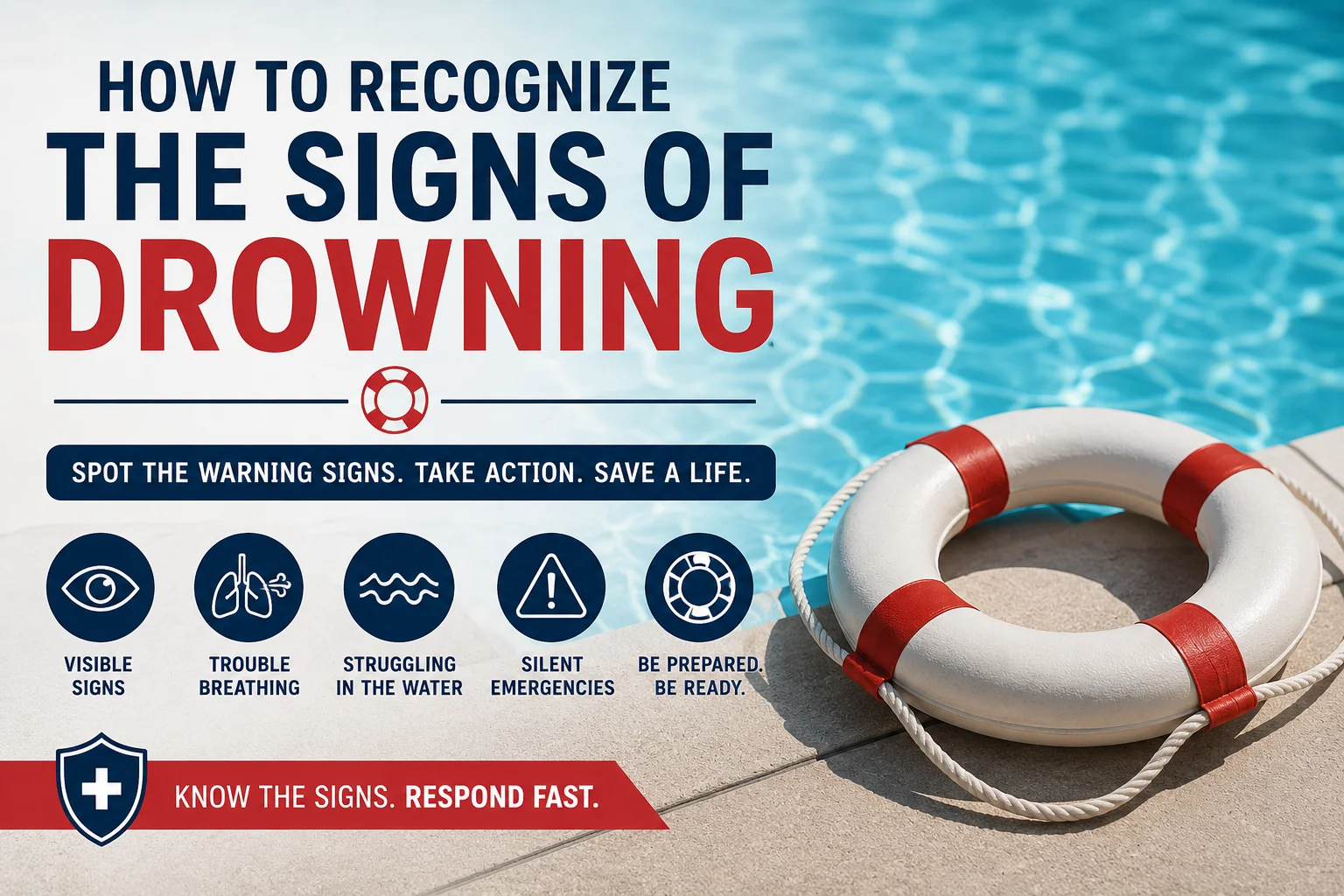
Common Signs of Drowning
One of the most common signs of drowning is a swimmer who appears unable to make progress in the water. They may remain in one location while struggling to keep their head above the surface.
Other warning signs include gasping for air, tilting the head backward, keeping the mouth at water level, or repeatedly slipping below the surface and reappearing.
A drowning victim may also extend their arms out to the sides and press downward on the water. This instinctive action helps them stay afloat but prevents them from waving for help.
Warning Signs in Children
Children can drown quickly and quietly, even in shallow water. In many cases, nearby adults do not realize anything is wrong until it is too late.
Watch for children who suddenly become quiet while swimming. A child who stops playing, stops moving forward, or appears to be struggling to stay above water may be experiencing an emergency.
Parents should never rely solely on flotation devices or pool toys. Active supervision remains the most effective way to prevent drowning incidents.
What to Do If You Suspect Someone Is Drowning
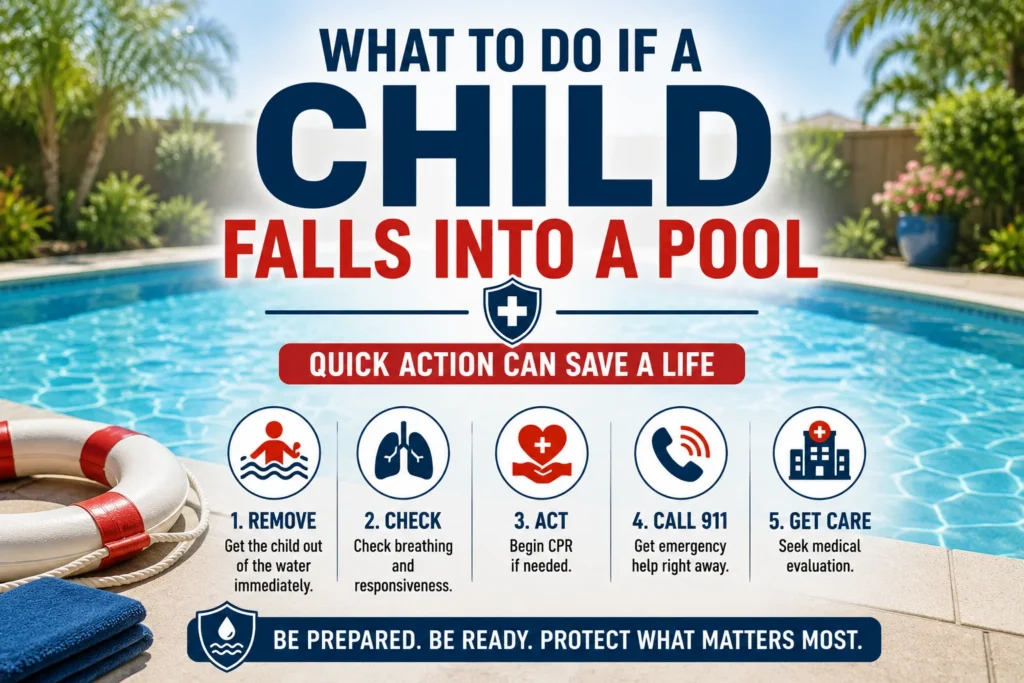
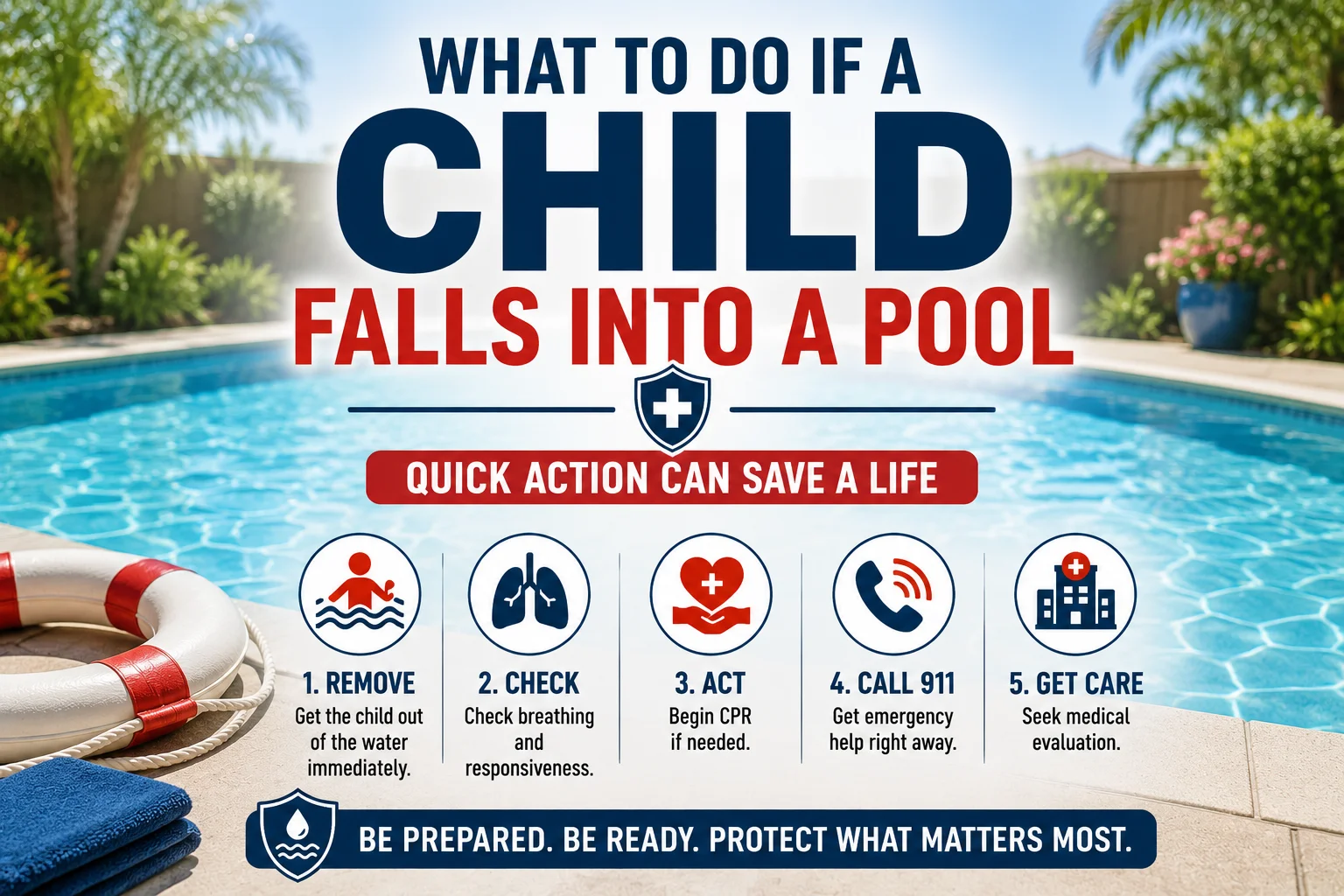
If you notice any of these warning signs, act immediately. Do not wait to see if the swimmer recovers on their own.
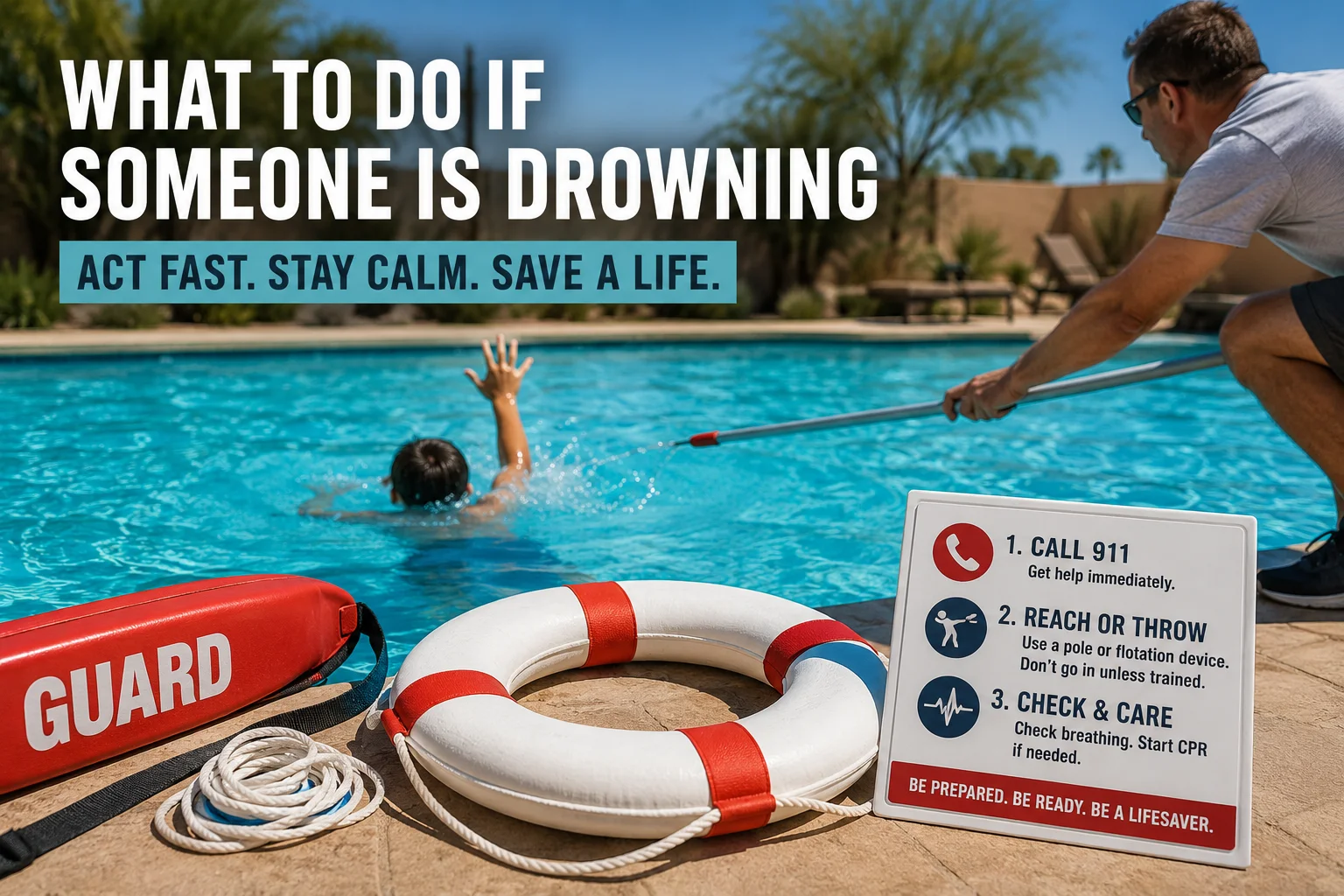
Call 911 and alert others nearby. If possible, use a reaching pole, rope, or flotation device to assist the swimmer. Many rescue organizations recommend the “Reach or Throw, Don’t Go” approach because it reduces risk to the rescuer.
If the victim becomes unresponsive after being removed from the water, begin CPR if you are trained and continue until emergency responders arrive.
Prevention Is the Best Protection
The best way to reduce the risk of drowning is to prevent emergencies before they happen. Establish pool safety rules, maintain constant supervision, and ensure everyone in the household understands basic water safety practices.
Clear water also improves visibility during emergencies. Arizona homeowners can learn more by reading our guide on Why Arizona Pools Turn Green So Fast.
For additional information about drowning prevention and water safety, visit the American Red Cross Water Safety Resource Center.
Knowing the signs of drowning can help you identify an emergency quickly and respond before a situation becomes life-threatening. Staying alert around the water may be one of the most important steps you can take to protect family members and guests.