Pool Care During a Heat Wave

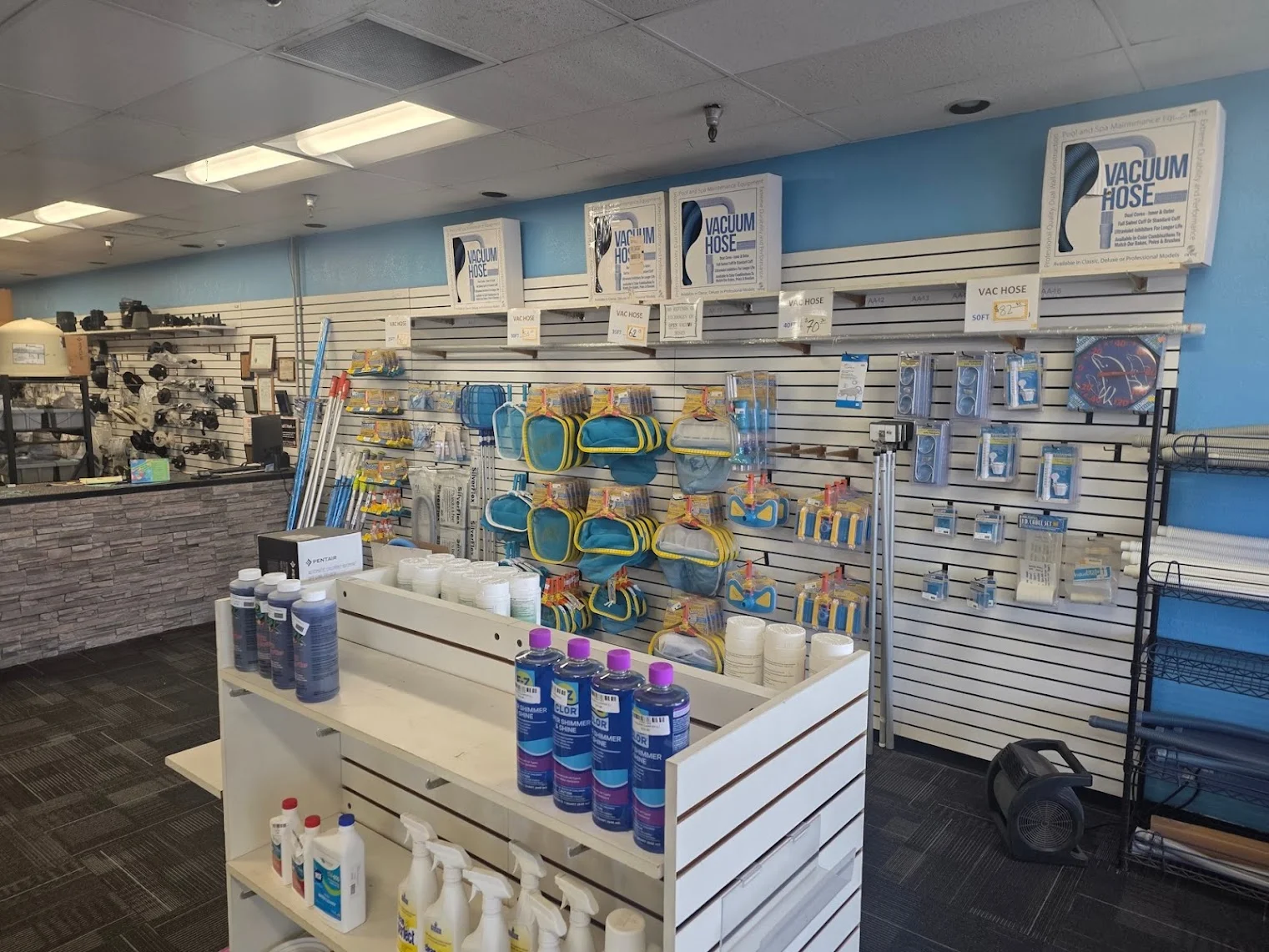
Ever-Klear Pool Supply is a family-owned pool supply company with over 30 years of experience. We offer pool chemicals, equipment, replacement parts, water testing products, cleaners, and maintenance essentials backed by knowledgeable service and dependable support.
Pool Care During a Heat Wave
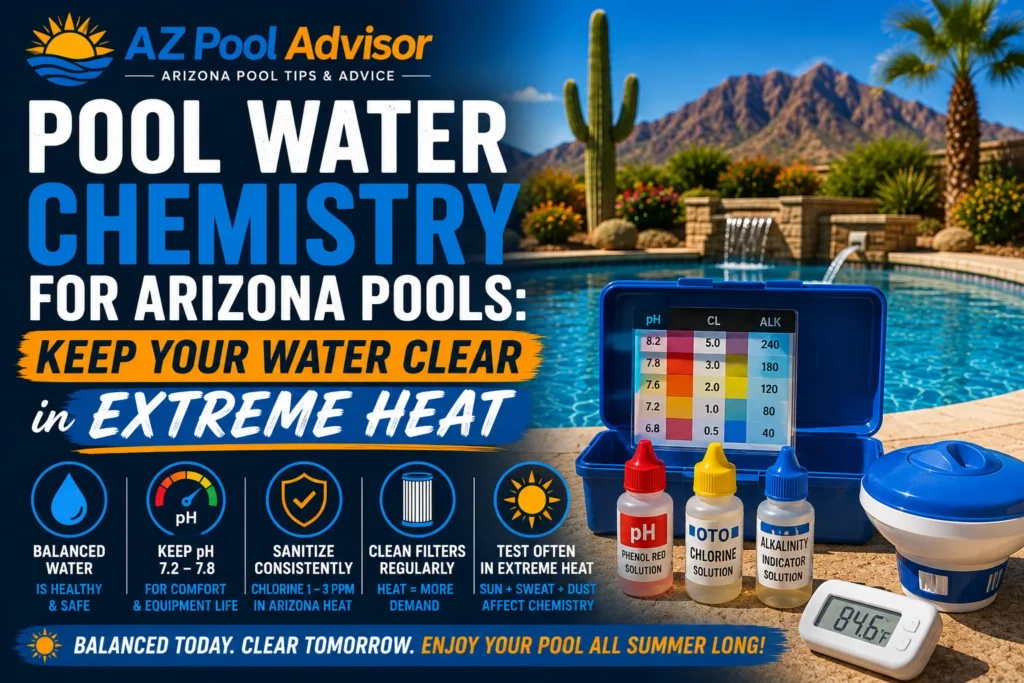
Short answer: Extreme heat increases sanitizer demand, evaporation, swimmer load, and algae pressure. Test more often, maintain circulation, and correct water balance before problems compound.
For pool owners across the United States, the best response to pool care during heat wave depends on pool type, climate, sanitizer system, water balance, and equipment. The reliable method is to verify the condition first, correct the underlying cause, and retest before making another major change.
Where should you start?
Start with a current water test and a quick circulation check. Look at the pool when it is running, note the water level, return flow, filter pressure, basket condition, and any recent chemical or equipment changes. Then use the product label or equipment manual for the specific system on the pool. That sequence prevents guesswork and makes it easier to see what actually fixes the issue.
What changes during this season?
Sunlight and high water temperature can increase chlorine demand
Sunlight and high water temperature can increase chlorine demand. This is important because the visible symptom may be downstream from the real cause. Compare the current condition with the pool’s normal baseline before choosing a treatment.
Heavy swimming adds sweat, sunscreen, and debris that sanitizer must oxidize
Heavy swimming adds sweat, sunscreen, and debris that sanitizer must oxidize. This factor can also interact with water balance and circulation, so correcting it in isolation may not solve the whole problem. Check related readings and equipment conditions at the same time.
Evaporation concentrates minerals even though chlorine itself does not evaporate with the water
Evaporation concentrates minerals even though chlorine itself does not evaporate with the water. If this condition has changed recently, look for what changed just before the symptom appeared. Weather, swimmer load, maintenance, a new product, or equipment service can provide a useful clue.
What to do step by step
- Test chlorine and pH more frequently during prolonged hot weather. Establish a baseline before changing anything. Record the test result, pressure reading, water level, model number, or visible symptom that applies so you can tell whether the next step actually improves the condition.
- Keep baskets and filters clean so circulation is not restricted. Remove simple physical restrictions first. Debris in baskets, a dirty filter, a low water level, a closed valve, or poor circulation can make a chemical or equipment problem look more complicated than it is.
- Top off the pool as needed and retest chemistry after adding significant fresh water. Make one measured correction at a time. For chemicals, calculate the dose from actual pool volume and follow the label. For equipment, use the manufacturer procedure and confirm compatibility before replacing a part.
- Brush walls, steps, and low circulation areas before algae gets established. Give the system enough time to respond. Circulation, filtration, brushing, and chemical mixing often need time before the result is visible. Rechecking too quickly can lead to unnecessary second doses or adjustments.
- Follow the sanitizer and shock product label rather than guessing at a dose. Retest or recheck the original symptom. If the reading, flow, pressure, clarity, or operation has moved in the right direction, return to the normal maintenance routine and keep a note of what solved the issue.
How to keep the problem from coming back
Seasonal pool care should follow local weather rather than a fixed national date. A homeowner in a warm climate may swim year-round while a homeowner in a freezing climate may close the pool for months. Use the seasonal checklist that matches actual water temperature, freeze risk, debris, and equipment conditions where the pool is located.
Before a major weather change, the best preparation is a pool that is already clean, balanced, and mechanically sound. Catching a weak pump, dirty filter, low sanitizer level, or leaking fitting before a storm, freeze, or heat wave is far easier than trying to solve several problems at the same time afterward.
Common mistakes to avoid
- Waiting for water to turn dull before testing. Instead, confirm the condition with a test or inspection and make the smallest correction that addresses the cause.
- Adding several chemicals at once without retesting. A better approach is to change one variable at a time, allow the system to respond, and then verify the result.
- Ignoring rising filter pressure or weak returns. This can hide the real cause or create a second problem. Use measurements, manufacturer guidance, and product labels rather than assumptions.
What changes by climate or pool type?
Pool care is national, but the operating environment is not identical everywhere. Warm-climate pools may run all year and see long periods of heat, sunlight, and evaporation. Cold-climate pools may be winterized or need freeze protection. Above-ground and inground pools can also use different equipment, plumbing, and winter procedures. Keep the core diagnostic process the same, then apply the manufacturer and seasonal guidance that fits the actual pool.
When to get professional help
If the pool has a suspected underground leak, cracked pressure vessel, gas-heater problem, repeated breaker trips, high-voltage electrical issue, structural damage, or a condition that does not improve after the basic checks, use a qualified pool professional. Stop operating equipment that is leaking badly, running dry, overheating, or behaving in a way that could create a safety hazard.
Frequently asked questions
Does this advice change by climate?
Yes. Pools in warm climates may operate year-round, while pools in freezing climates may need winterization or freeze protection. Use the steps that match the local weather and equipment setup.
How quickly should I expect results?
That depends on the cause. Chemistry corrections need mixing and retesting, filtration problems may take longer to clear suspended material, and mechanical fixes should restore normal flow, pressure, or operation.
Should I add more chemicals if the first dose does not work?
Not automatically. Allow the first treatment to mix for the time stated on its label, retest the water, and then decide whether another measured adjustment is needed.
When should I call a pool professional?
Use a qualified professional for gas, high-voltage electrical work, pressure-vessel damage, structural problems, hidden plumbing leaks, or a problem that continues after the basic checks are completed.
Featured EverKlear products
Heat can increase sanitizer demand; test first, then use the sanitizer format that matches the pool and label directions.
GLB 3-Inch Stabilized Chlorine Tablets, 50 lb
Selected from EverKlear Pool Supply as a relevant product for this topic.
AquaChek TruTest Digital Test Strip Refills
Selected from EverKlear Pool Supply as a relevant product for this topic.
Product note: Availability, packaging, specifications, and pricing can change. Confirm compatibility and follow the current product label or equipment manual before use or installation.
Get the right pool supplies
Ever-Klear Pool Supply carries products for water testing, chemicals, pumps, filters, cleaners, maintenance tools, and replacement parts. For this topic, start with the Sanitizers & Chlorine collection and match the product to your pool, equipment, and current test results. If compatibility is uncertain, have the equipment model and part number ready before ordering.
Safety note: Always follow product labels, equipment manuals, and applicable local requirements. Never mix pool chemicals together, and do not bypass equipment safety controls.